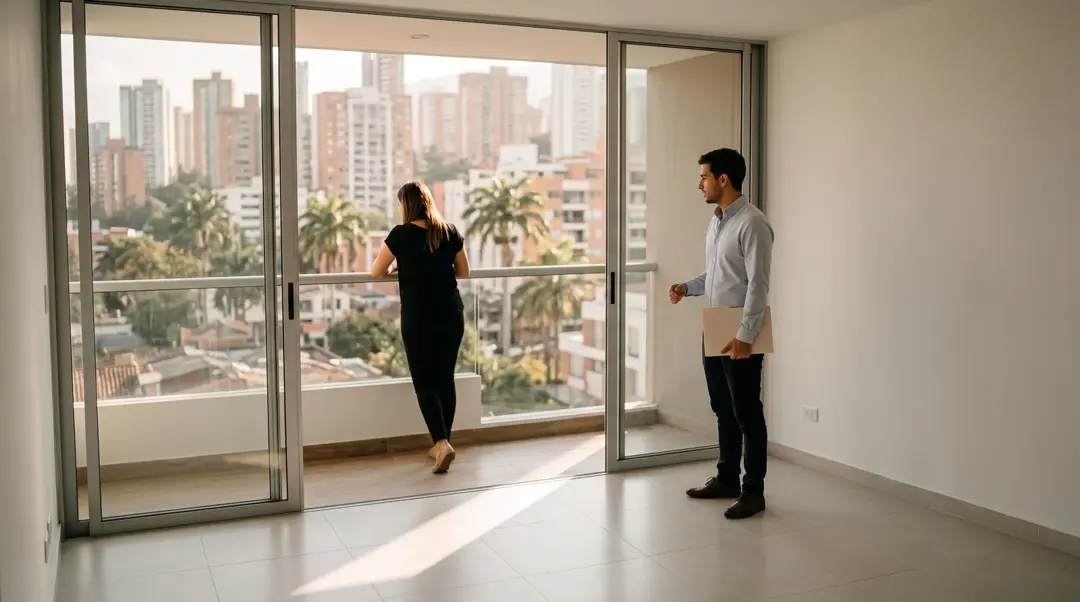
Panama runs on the US dollar. That single fact does more work for a Texan than any other feature of the country: your pension, your rent, your grocery bill and your closing costs are all denominated in the currency you already earn, so nothing you budget ever passes through an exchange rate. Add a time zone that sits in the US Central or Eastern band depending on the season, direct flights between Panama City and Texas hubs, and a residency permit that is permanent from the day it is granted on a pension of $1,000 a month, and you have the four things that bring Texans here.
The rest of this guide takes those one at a time, then sets your expectations on the tax side, which for a Texan works differently than it does for someone leaving California. Nothing there should stop you. It is planning information, and it is better to have it now than in your first April abroad.
Key takeaways
- Currency risk is zero for you. Panama uses the US dollar and the balboa is pegged to it at 1:1, so a dollar pension carries no exchange exposure. That is not true of the other destinations on most shortlists.
- Panama's Pensionado requires $1,000 a month of lifetime pension income, or $750 if you already own more than $100,000 of Panamanian property and grants permanent, indefinite residence rather than a permit needing renewal, under article 200 of Decreto Ejecutivo 320 de 2008 (Gaceta Oficial 26104, checked August 2026).
- Social Security and an employer pension both qualify. The decree accepts a pension paid by a foreign government, an international organisation or a private company. What it does not accept is a drawdown you control, because the pension has to be vitalicia, granted for life.
- Panama taxes on a territorial basis, so income arising outside Panama sits outside the Panamanian net. For a US citizen that means one tax system to deal with rather than two.
- Texas levies no state income tax, so leaving it saves you nothing at state level, and the IRS taxes US citizens on worldwide income wherever they live (IRS, checked August 2026). Plan on your federal position staying exactly as it is.
- You get an automatic two-month filing extension when abroad, to 15 June for calendar-year filers, with a further extension to 15 October available on Form 4868. Interest still accrues from the original April date (IRS, checked August 2026).
- Foreign financial accounts get reported to the Treasury, and the IRS states this applies even where the accounts generate no taxable income. Filing goes through the BSA e-filing system.
The short answer: what changes and what does not
| What | Moving from Texas to Panama |
|---|---|
| Currency | Stays the US dollar, no exchange exposure |
| Time zone | US Central or Eastern band depending on season |
| Flights home | Direct between Panama City and Texas hubs |
| Residency | Permanent from the outset on $1,000 a month of pension, or $750 with more than $100,000 of Panamanian property |
| Panamanian tax on your US income | None, Panama taxes territorially |
| US federal filing | Unchanged, worldwide income, with an extension to 15 June |
| State income tax | Was zero in Texas, stays zero |
| Healthcare | The piece to settle before you move, not after |
The dollar, and why it matters more than it sounds
Most people relocating abroad spend their first year quietly watching a currency chart. A dollar pension landing in Mexico, Colombia or Portugal has to clear costs, and often visa thresholds, denominated in something else, so the same income buys a different amount of life from one quarter to the next. In Panama that whole category of worry does not exist. Prices are posted in dollars, banks hold dollars, and the balboa circulates alongside at 1:1.
The practical effect shows up in planning. You can build a Panama budget in the same spreadsheet you use now, with the same numbers meaning the same thing. Our cost of living guide breaks that budget down line by line if you want to sketch yours before you fly.
Same working day, and a short flight back
Panama sits in the US Central or Eastern band depending on the season, which sounds like a detail until you have tried to keep a family or a consulting client on the other side of an eight-hour gap. Calls happen at normal hours. Bank calls, doctors' offices, grandchildren after school, all at the times you already keep.
Direct flights connect Panama City with Texas hubs, so going home for a wedding or a medical appointment is a travel day rather than an expedition. For readers weighing Panama against the obvious alternative, our Panama versus Mexico comparison puts the two side by side on exactly these terms.
Do you need help relocating to Panama?
If you're weighing up the move, a licensed broker who lives here can tell you what the areas are really like to live in, and what your money does in each of them.
Email or phone, whichever you’d rather. We pass your details to one licensed broker and no one else, and there’s no newsletter.
Know your budget and timeline already? Send those instead and get a shortlist →
Residency you can actually qualify for
Panama's Pensionado visa asks for a pension of $1,000 a month, or $750 a month if you already own more than $100,000 of Panamanian property in your own name. Most Texans arriving with Social Security plus any private or employer provision clear the higher figure comfortably.
The word article 200 turns on is vitalicia, granted for life. The decree accepts a pension paid by a foreign government, an international organisation or a private company, so Social Security qualifies and so does a former employer's scheme. What does not qualify is a 401(k) or IRA you draw down yourself, however large the balance, because a pot you control is not a pension granted for life. If that is where most of your retirement income sits, resolve it with an immigration attorney before you plan around Pensionado. Where the pension comes from a private company, article 201 asks for an extra document: a letter from a pension-administration, trust, mutual-fund, insurance or banking company certifying that funds exist to guarantee the lifetime pension. Social Security needs none of that.
What you get for it is the part worth underlining: permanent, indefinite residence, granted at the outset rather than after a temporary phase you have to renew your way through. Spouses may also combine two pensions to reach the $1,000. Panama also taxes on a territorial basis, so your US-source income sits outside the Panamanian system entirely. Our residency guide walks the three main routes and what each one asks for, in case a different category fits your situation better than Pensionado does.
Your US taxes, honestly
Here is the expectation-setting part, and it is short.
Texas has no state income tax, so unlike a mover from California or New York you have no state-level position to change. The saving is already zero and it stays zero. Meanwhile the IRS is explicit that US citizens abroad are "subject to tax on worldwide income from all sources and must report all taxable income and pay taxes according to the Internal Revenue Code" (IRS, checked August 2026). That travels with the passport.
So plan your move on the dollar, the time zone, the flights and the cost base, and treat the federal return as a constant that follows you. Three things make it routine:
- The calendar shifts in your favour. Living abroad gives you an automatic two-month extension to 15 June for calendar-year filers, and Form 4868 takes it to 15 October. Interest still accrues from the original April date, so pay what you estimate you owe on time even if the paperwork lands later.
- Foreign accounts get reported. The IRS states this applies even where an account produces no taxable income, filed through the BSA e-filing system. Treat it as a routine annual item from the day you open a Panamanian account rather than something to sort out later.
- Opening that account takes more paperwork than it would for other nationalities. It is a documentation exercise, not a barrier. Budget an afternoon and bring more than you think you need.
One tax system rather than two, on a familiar filing calendar with two extra months. That is a workable position.
Healthcare, the piece to settle first
For a retiree leaving Texas, healthcare is where the consequential decisions sit. Medicare's coverage of care received outside the United States is limited, and the sensible planning assumption is that it does not travel with you. That has a real consequence in both directions: keep paying Part B premiums and you are paying for coverage you largely cannot use where you live, drop Part B and you may face a permanent late-enrolment penalty if you later return.
We could not open Medicare's own pages to verify the detail, because the site refuses automated requests, and we will not restate rules of that weight from second-hand sources. Take this one to Medicare directly or to a licensed adviser, and do it before you move rather than after. The same goes for how your Social Security payments are handled abroad. It is the single item on this page that genuinely rewards a professional conversation.
Which version of this move fits you
- You want your dollars to mean the same thing they mean now: Panama is the strongest case in the region on that point alone.
- You still work, or you keep close family ties: the time zone and the direct flights are doing more for you than any cost saving would.
- You have a lifetime pension of $1,000 a month or more: Pensionado gives you permanent residence at the outset. Below that, the $750 figure applies only if you already own more than $100,000 of Panamanian property, and the residency guide covers the alternatives if your income is structured differently.
- Your retirement income is mostly a 401(k) or IRA you draw down: take advice before assuming Pensionado is open to you, because a self-directed drawdown is not a lifetime pension for this test.
- You are weighing Panama against Mexico: read the head-to-head comparison before you shortlist either.
- You are still choosing a town: heat and humidity here run year-round without the seasonal break Texas gives you, so climate should drive the shortlist. The mountain towns are cooler than the coast, and our guide to where to retire in Panama compares eight of them.
Whichever line is yours, rent for a season before you buy. It keeps the whole decision reversible while you learn which town you actually want.
Your next step
You already know the shape of the move: same dollars, same working hours, a short flight home, and residency you can qualify for. What is left is specific to you, which town, rent or buy, and on what budget. Tell us your timeline, your budget and what a good week looks like, and we will come back with a shortlist of places and actual properties that fit. That is what the form below is for, and it costs nothing to ask.
Frequently asked questions
Will I save on taxes by moving from Texas to Panama?
Not at state level, because Texas already levies no state income tax, and the IRS taxes US citizens on worldwide income wherever they live. What you do get is Panama's territorial system, under which income arising outside Panama sits outside the Panamanian net, so you deal with one tax system rather than two. Plan the move on the dollar economy, the time zone and your cost base, and treat the federal return as a constant that comes with you.
Do I still have to file a US tax return from Panama?
Yes, and the calendar shifts in your favour. The IRS states that citizens abroad are subject to tax on worldwide income from all sources and must report all taxable income. Living abroad gives you an automatic two-month extension to 15 June for calendar-year filers, with a further extension to 15 October available on Form 4868. Interest still accrues from the original April due date, so pay what you estimate you owe on time.
Do I have to report my Panamanian bank account?
Yes, and it is routine once you set it up. The IRS states that US taxpayers who own foreign financial accounts must report them to the Treasury even where those accounts generate no taxable income, filed through the BSA e-filing system. Put it on your annual calendar the day you open the account. Opening the account itself takes more documentation than it would for other nationalities, so bring more paperwork than you think you need.
Does Medicare cover me in Panama?
Coverage of care received outside the United States is limited, and the sensible planning assumption is that Medicare does not travel with you. We could not open Medicare's own pages to verify the detail, because the site refuses automated requests, and we will not restate rules of that weight from second-hand sources. Since dropping Part B can carry a permanent late-enrolment penalty if you later return, take this to Medicare or a licensed adviser before you move. It is the one item here that genuinely rewards professional advice.
What does Panama require from me financially?
A pension of $1,000 per month granted for life, or $750 per month if you already own more than $100,000 of Panamanian property in your own name, under article 200 of Decreto Ejecutivo 320 de 2008. The decree accepts a pension paid by a foreign government, an international organisation or a private company, so Social Security and an employer scheme both count, and spouses may combine two pensions to reach the $1,000. Most Texans with Social Security plus any private or employer provision clear the higher figure comfortably, and the permit granted is permanent and indefinite rather than one needing renewal. If your income is structured differently, our residency guide covers the other routes.
Does a 401(k) or IRA count for the Pensionado visa?
Generally not on its own. Article 200 requires the pension to be vitalicia, granted for life, and a retirement account you draw down yourself is a pot you control rather than a pension granted for life, however large the balance. Social Security qualifies, and so does a former employer's scheme that pays for life. If most of your retirement income sits in a self-directed account, take advice from an immigration attorney before planning around Pensionado, and look at the other residency routes in the meantime.
Is currency risk a problem for a Texan in Panama?
No, and it is the most underrated advantage of the move. Panama uses the US dollar and the balboa is pegged to it at 1:1, so a dollar pension has no exchange exposure. That is not true of Mexico, Colombia or Portugal, where your income has to clear costs and often visa thresholds denominated in another currency. You can build your Panama budget in the same spreadsheet you use today.
What actually draws Texans to Panama?
Four things, in roughly this order: the dollar economy, so nothing you budget passes through an exchange rate; a time zone in the US Central or Eastern band depending on season, which keeps family and work calls at normal hours; direct flights between Panama City and Texas hubs; and permanent residence granted at the outset on a fixed $1,000 a month pension threshold. Cost of living and climate then decide which town.
Sources
- Gaceta Oficial 26104 — Decreto Ejecutivo 320 de 8 de agosto de 2008, arts. 200–201: pensión vitalicia no inferior a B/.1,000 pagada por gobierno extranjero, organismo internacional o empresa privada; parágrafo B/.750 con propiedad superior a B/.100,000 — checked 2026-08-22
- IRS — U.S. citizens and resident aliens abroad: worldwide income, filing extensions, foreign account reporting — checked 2026-08-04
- Medicare — health care services outside the US (site refuses automated requests; not opened directly) — checked 2026-08-04
Do you need help relocating to Panama?
If you're weighing up the move, a licensed broker who lives here can tell you what the areas are really like to live in, and what your money does in each of them.
Email or phone, whichever you’d rather. We pass your details to one licensed broker and no one else, and there’s no newsletter.
Know your budget and timeline already? Send those instead and get a shortlist →