PanamaRealEstateGuide

Chiriquí Highlands

Boquete

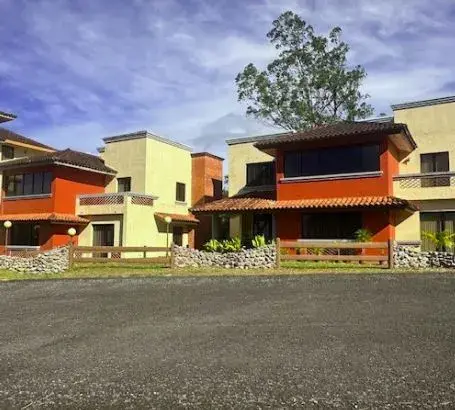
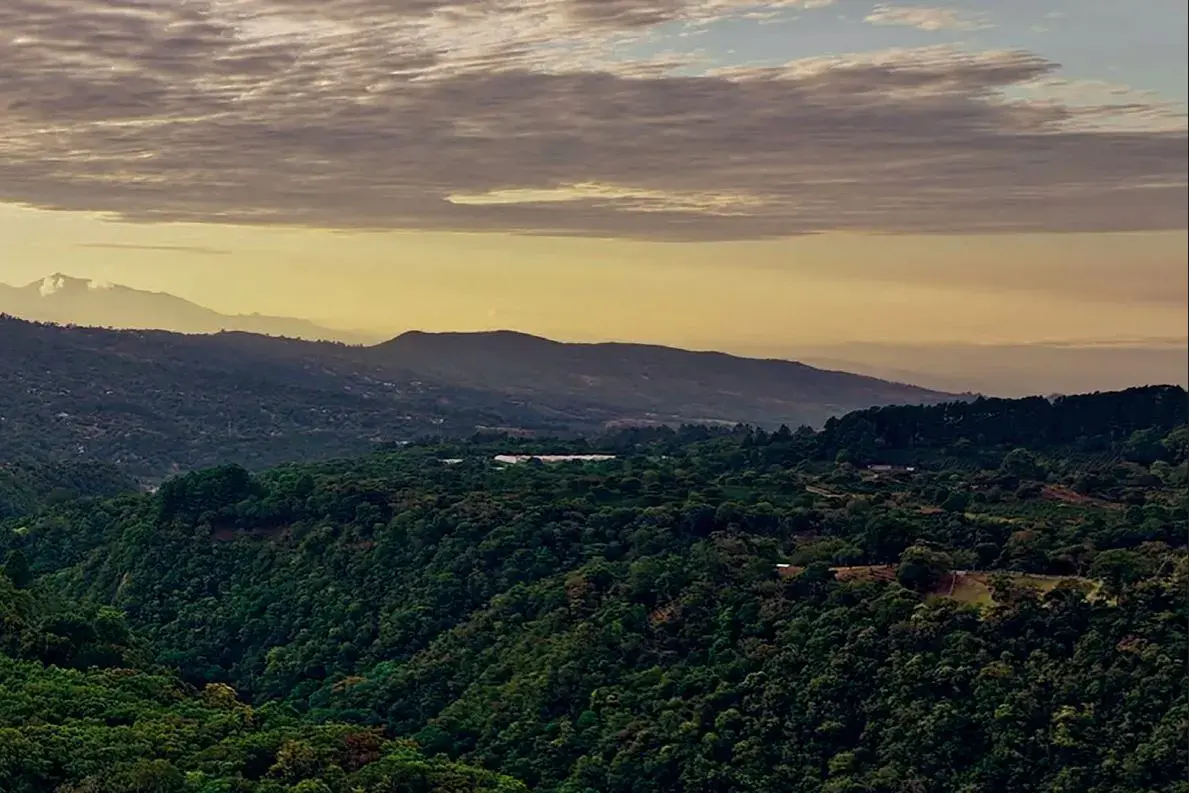
Boquete's entire pitch is one number: it sits high enough on Volcán Barú that it stays spring-like while the rest of Panama is hot and humid at sea level. That's real, and it's why the town has one of the oldest, largest expat retirement communities in Central America.


Entry price
$215k
Upper range
$625k
Projects
2
Prices as listed by developers

Before you shortlist anything here

Mixed — verify

Mixed, and the answer depends on which parcel, not which town. Panama's constitution bars foreigners from owning land within 10 km of the Costa Rica or Colombia border (Título X, Arts. 286, 291) — Boquete's town center is well clear of that line, but the western part of the district runs closer to it, and we have not independently verified the boundary against ANATI's cadastral maps for any specific parcel. Within the cleared zone, formal developments around Bajo Boquete are generally titled; agricultural and hillside land outside town is frequently Rights of Possession (derecho posesorio). Ask for the finca number and verify it at the Registro Público before paying anything.

How to check which one you’re being offered →

What it costs to live in Boquete

Estimates vary by source more than we'd like. Rent: a one-bedroom near the town center runs roughly $650–$800/month, a furnished two-bedroom condo $139,000–$156,000 to buy, a full house $600–$1,200/month to rent (International Living; Wise cost-of-living, checked July 2026). Utilities run roughly $58/month for electricity, water, and garbage on an 85 m² apartment at town-center elevation, mainly because most homes there skip AC and heating; International Living's own breakdown runs higher. Groceries run $400–500/month for a couple. Whole-budget estimates disagree by roughly $1,000/month. International Living puts a couple's full monthly budget at $1,403–$2,600, other expat-guide aggregations put it at $2,500–$3,500, so the honest range to plan around is $1,500–$3,500/month for a couple, depending on housing choice and lifestyle.

Who Boquete suits — and who it doesn’t

Boquete real estate is trading at an average of $4,200/m², about 40% below Panama City prices, and properties are appreciating at 6-8% annually. This combination of affordability and growth has attracted 8,200+ expatriates to the region since 2015, making it one of Panama's most sought-after relocation destinations outside the capital. The market fundamentals are compelling. A typical three-bedroom house in Alt Boquete runs $280,000–$380,000, while comparable Panama City properties cost $450,000–$600,000. Rental demand is steady year-round, with cap rates averaging 5-7% on furnished properties. Property taxes are negligible at 0.6–0.8% annually, and no capital gains tax is charged on real estate appreciation, a major tax advantage for foreign buyers. But Boquete isn't a get-rich-quick market. It's a slow, stable appreciation play for buyers seeking lifestyle, rental income, and portfolio diversification. Understanding the neighborhoods, financing options, and true costs is critical to avoiding overpayment and missed opportunity. Market Snapshot: Boquete's Real Estate Fundamentals Boquete sits at 1,200–1,600 meters elevation in Chiriquí Province, about 6 hours driving from Panama City. The perpetual spring climate—averaging 65–75°F daily—and affordable cost of living have made it a magnet for North American and European retirees. Key market metrics (2026): - Total registered properties: 12,400 (as of Q1 2026) - Annual transaction volume: 340–380 deals year-over-year - Average appreciation rate: 6–8% annually (2015–2026 average) - Median property price: $265,000 - Price per square meter: $3,800–$4,600 depending on location and age - Median rental rate: $1,200–$1,600/month (furnished) - Typical cap rate (furnished): 5–7% annual gross yield - Expat population: 8,200+ permanent residents The market has matured significantly since the 2008 boom. Early-stage irrational exuberance has given way to realistic pricing. New developments are now pre-selling at $3,600–$4,200/m², while resale inventory sits at 340–400 active listings at any given time, a healthy, balanced market with neither oversupply nor artificial scarcity. Best Neighborhoods: Where Expats Buy and Invest Boquete's neighborhoods cater to different buyer profiles. Location determines rental demand, appreciation potential, and lifestyle fit. Alto Boquete: The Premium Hilltop Zone Elevation: 1,400–1,600 meters Character: Gated developments, newer construction, expat-majority population Price range: $280,000–$480,000 for 3-bed houses Rental demand: Moderate; summer peaks during July–August Best for: Retirees seeking walkable community, amenities, and manicured landscaping Alto Boquete dominates the upper end of the market. Developments like Panamacho and El Pedregal offer gated compounds with amenities: pools, fitness centers, and restaurant facilities. These properties command premium pricing, $4,400–$5,200/m², because they attract seasonal tourists and short-term renters. However, purchase prices don't always translate to higher cap rates. A $380,000 three-bedroom in Alto Boquete renting at $1,600/month gross yields 5.0%, while the same property in Central Boquete at $280,000 renting at $1,400/month yields 6.0%. The math matters. Appreciation: Steady at 6–7% annually. Most appreciation has already been captured in established developments. Central Boquete: The Walking Heart Elevation: 1,200–1,350 meters Character: Mixed local and expat residents, walkable downtown, older architecture Price range: $180,000–$320,000 for 3-bed houses Rental demand: High; year-round international tourist traffic Best for: Investors prioritizing rental yield and walkability Central Boquete clusters around the town plaza—supermarkets, restaurants, banks, and tourist attractions within walking distance. The neighborhood attracts more tourists and digital nomads than Alto Boquete, translating to higher short-term rental demand. Older colonial-style homes (20–40 years old) are abundant and well-maintained. Renovated 3-bedroom properties rent at $1,200–$1,500/month furnished. With entry prices of $220,000–$280,000, total annual yield hits 6.5–7.2%, the market's highest cap rates. Appreciation: 6–8% annually, with some properties still undervalued relative to rental fundamentals. Caldera: The Emerging Value Zone Elevation: 1,100–1,250 meters Character: Quieter, mixed development, fewer expats, lower density Price range: $160,000–$280,000 for 3-bed houses Rental demand: Moderate; weekends and holidays peak Best for: Budget-conscious buyers, long-term appreciation plays Caldera sits 3 km south of downtown—far enough to feel peaceful, close enough for convenience. Properties here are 15–20% cheaper than Central Boquete for comparable size and condition. Development is slower, meaning less infrastructure pressure but also less economic activity. Most Caldera properties are owner-occupied or rented seasonally. Cap rates average 5.5–6.5%, lower than Central but higher than Alto. The neighborhood is ideal for buyers who prioritize quiet living over tourism income. Appreciation: 5–6% annually; slower than other zones but steady. Upside accelerates if new infrastructure (highway improvements, commercial development) materializes. Volcán: The Remote Frontier Elevation: 1,300–1,500 meters Character: Rural, agricultural heritage, minimal expat presence, undeveloped Price range: $120,000–$220,000 for 2–3 bed houses Rental demand: Very low; primarily owner-occupied Best for: Long-term appreciation, privacy, agricultural ventures Volcán is a 30-minute drive from downtown Boquete—far enough that most tourists skip it. Properties are substantially cheaper: $2,200–$3,000/m² versus $4,200+ in central areas. The tradeoff is limited rental income and slow economic activity. Volcán attracts retirees seeking isolation, privacy, and land. Agricultural properties with fruit orchards or coffee plants are common. Cap rates on rentals drop to 3–4%, but long-term appreciation potential is high if the region develops. Appreciation: 5–7% annually; speculative upside if infrastructure improves. Property Types: Houses, Condos, and Land Single-Family Houses (60% of market) Detached homes dominate Boquete. Most are 1–2 stories, 2–4 bedrooms, on 500–2,000 m² lots. Houses appeal to retirees and families seeking privacy and land. Advantages: - Land ownership (no condo association restrictions) - Outdoor space for gardens and patios - Higher rental appeal for families and groups - Appreciation often exceeds condo gains Disadvantages: - Higher maintenance costs (septic, roof, landscaping) - Property taxes on land can be higher - Slower to sell than condos Typical pricing: $200,000–$450,000 depending on size, age, and location. Condominiums (30% of market) Modern condo developments in Alto Boquete offer turnkey living with shared amenities. Most are 2–3 bedrooms, 100–150 m², in gated compounds. Advantages: - Lower maintenance (HOA handles repairs) - Community amenities (pool, gym, security) - Faster turnaround on rental bookings - Easier to rent to groups Disadvantages: - Monthly HOA fees ($200–$400) - Slower appreciation than houses - Renters less interested in long-term leases - Condo restrictions on usage Typical pricing: $220,000–$380,000 for a finished 2-bed unit. Land (10% of market) Raw land in Boquete ranges from $80,000 to $300,000 for 1–5 hectare parcels. Most buyers are developers or long-term speculators. Advantages: - Lowest entry price point - Full development flexibility - Appreciation potential if area develops - No tenant or maintenance issues Disadvantages: - No rental income while held - Property taxes still apply ($0.6–0.8% annually) - Financing is difficult (lenders avoid raw land) - Sales liquidity is slower Typical pricing: $15,000–$25,000/hectare depending on location and road access. The Buying Process: Step-by-Step Step 1: Identify Properties and Make an Offer (Weeks 1–2) Most buyers work with a licensed real estate agent. Boquete has 35–50 active agents; reputable ones speak English, understand visa requirements, and manage paperwork thoroughly. What to do: - Tour 10–15 properties across neighborhoods - Request escritura (title deed) and property tax records for shortlisted properties - Have your agent verify the seller's legal ownership - Make an offer in writing (verbal offers are meaningless in Panama) Typical offer: 5–10% below asking price is standard in this market. Step 2: Inspection and Due Diligence (Weeks 2–4) Once an offer is accepted, hire an independent engineer or architect to inspect the property. This costs $400–$700 and is non-negotiable. What to inspect: - Roof condition (lifespan remaining) - Plumbing and electrical systems - Septic system functionality - Structural cracks or water damage - Electrical panel safety (many older homes have outdated systems) Due diligence checklist: - Verify property is not encumbered by liens or debts - Confirm municipal property tax status (debe) - Check for environmental restrictions - Review HOA financials and meeting minutes (if condo) Step 3: Financing and Pre-Approval (Weeks 3–6) If financing, secure pre-approval from a Panamanian bank or international lender. Most require 30–50% down payment. Lenders: - Banco Nacional de Panamá: Offers mortgages up to 50% LTV; 3–5% interest rates - BAC Credomatic: Competitive rates for established expats; requires proof of residency - HSBC Panama: Accepts foreign clients with valid visa Timeline: 2–4 weeks for approval after submission. Step 4: Purchase Agreement Signing (Weeks 6–8) Both parties sign a promesa de compra y venta (purchase agreement). This is a binding contract specifying: - Property address and dimensions - Purchase price and payment terms - Closing date (typically 30–60 days) - Penalties for non-completion Step 5: Transfer and Closing (Weeks 8–12) The transaction closes at a notary public's office in the presence of both parties (or their lawyers). The notary files the title transfer with the Registro de Propiedad (property registry). Closing costs: - Notary fees: 1–1.5% of purchase price - Title transfer tax: 1.25% of declared value - Property registration: 0.5% of purchase price - Lawyer fees: $500–$1,200 - Total closing costs: 3–4% of purchase price Timeline: 30–45 days from purchase agreement to registry recording. Closing Costs and Property Transfer Tax: The Hidden Numbers Panama's property transfer system is transparent, but costs add up. Budget 3–4% of purchase price beyond the agreed sale price. Example: $300,000 purchase - Notary: $3,750–$4,500 - Transfer tax: $3,750 - Registration: $1,500 - Lawyer: $800 - Total closing costs: $10,300–$10,550 Financing Options: Mortgages and Payment Plans Bank Mortgages Panamanian banks typically offer mortgages at 3.5–5.5% interest rates with terms up to 20 years. Loan-to-value (LTV) is capped at 50–60%, meaning you need 40–50% down payment. Qualification requirements: - Passport/cédula (residency ID) - Proof of income (tax returns or employment letter) - Bank statements showing reserves - No existing mortgage liens - Minimum monthly income of $1,800 (varies by lender) Timeline: 3–4 weeks from application to approval. Seller Financing About 30% of Boquete transactions involve seller financing (vendor carryback). The seller acts as the lender, receiving monthly payments over 5–15 years. Advantages: - Faster closing (no bank approval needed) - Flexible down payment (10–30%) - Simple qualification process Disadvantages: - Higher interest rates (5–8%) - Shorter terms (5–10 years vs. 20 with banks) - Seller can require balloon payment at end - Less legal protection than bank financing Typical terms: 20% down, 8% interest, 10-year amortization, $5,000–$6,000 monthly payment on $250,000 purchase. Cash Purchases About 40% of Boquete buyers pay cash—retirees liquidating home equity or downsizing. Cash purchases close in 30 days without bank delays. Rental Income and Cap Rate Analysis: The Numbers That Matter Short-Term Furnished Rentals Properties rented monthly or weekly to tourists and digital nomads command premium rates. Market rates (2026): - Studio: $800–$1,200/month - 2-bed: $1,200–$1,600/month - 3-bed: $1,600–$2,200/month - 4-bed: $2,000–$2,800/month Typical occupancy: 50–65% year-round (higher in July–August and December–January peaks). Expenses: - Property management: 20–30% of rental income - Utilities (water, electric, internet): $150–$250/month - Maintenance and repairs: 5–8% annually - Cleaning and linens: 5–10% of rental income - Taxes: Minimal (Panama does not tax rental income for non-residents) Cap rate calculation example: - Property price: $280,000 - Monthly rent (furnished, 2-bed): $1,400 - Annual gross rent: $16,800 - Occupancy rate: 60% - Annual gross rental income: $10,080 - Management (25%): –$2,520 - Utilities, maintenance (12%): –$1,210 - Annual net rental income: $6,350 - Cap rate: 2.27% This low cap rate reflects the reality: short-term furnished rentals in Boquete do not generate strong current cash flow. They're appreciation plays, not income plays. Long-Term Unfurnished Rentals Renting to long-term residents (6+ months or annual leases) yields higher cap rates but requires property manager involvement. Market rates (2026): - 2-bed house: $900–$1,200/month - 3-bed house: $1,200–$1,500/month - 4-bed house: $1,500–$2,000/month Typical occupancy: 90–95% year-round (single tenant or family). Expenses: - Property management: 8–12% of rental income - Utilities (owner covers): $0 (tenant responsibility) - Maintenance and repairs: 5–8% annually - Property tax: 0.6–0.8% of property value Cap rate calculation example: - Property price: $280,000 - Monthly rent (unfurnished, 3-bed): $1,300 - Annual gross rent: $15,600 - Occupancy rate: 92% - Annual gross rental income: $14,352 - Management (10%): –$1,435 - Maintenance (6%): –$1,680 - Property tax (0.7%): –$1,960 - Annual net rental income: $9,277 - Cap rate: 3.3% Even unfurnished rentals yield modest current cash flow. The real return comes from appreciation: a property appreciating at 6–8% annually while generating 3–4% cash flow produces a 9–12% total return. Common Pitfalls: What Experienced Buyers Avoid 1. Overpaying for Location Without Cap Rate Analysis Buyers often pay premium prices for Alto Boquete's prestige, then discover cap rates of 4–5%. A Central Boquete property at 6–7% cap rate generates 20–40% more annual income. Lesson: Calculate cap rates before committing. Don't pay for reputation; pay for fundamentals. 2. Ignoring Septic System Condition Boquete has no municipal sewer system. Most properties use septic tanks or gray-water systems. Replacement costs range from $8,000 to $25,000. Lesson: Hire an engineer to inspect septic systems. If age exceeds 15 years or system is questionable, negotiate price reduction or demand replacement before closing. 3. Underestimating Maintenance Costs Boquete's high rainfall (3,600 mm annually) accelerates roof, gutter, and foundation wear. New owners often budget $500/year but face $2,000–$3,000 in year-two repairs. Lesson: Set aside 8–10% of property value annually for maintenance reserve. Plan major repairs (roof, electrical) before renting. 4. Trusting Verbal Agreements Verbal promises to "fix the roof before closing" or "include furnishings" disappear at signing. Only written contractual terms are enforceable. Lesson: Insist all agreements be written into the purchase contract. Have a lawyer review before signing. 5. Financing Without Pre-Approval Some buyers assume they'll qualify for bank financing, then face rejection after paying inspection and appraisal fees. Pre-approval takes 2–3 weeks and costs nothing. Lesson: Get pre-approved before making an offer. Know your borrowing capacity. FAQs: Your Questions Answered Q: Do I need a Panama visa to buy real estate? A: No. Foreign nationals can purchase property without a visa. However, most buyers eventually pursue the Pensionado visa ($1,350/month minimum income) or Friendly Nations visa (faster approval; requires citizenship from 50+ countries). The visa is optional but recommended for tax residency and healthcare benefits. Q: How much income do I need to qualify for a mortgage? A: Most Panamanian banks require monthly income of $1,800–$2,500 depending on the loan amount. For a $150,000 mortgage (50% LTV on $300,000 purchase), expect to show $2,000+/month minimum income. Retirees with pension income qualify easily. Q: Can I rent my property without a Panama residency visa? A: Yes. Foreign owners can rent properties without a visa. You're not subject to Panama income tax on rental income if you're not a tax resident. Once you obtain a visa and become a tax resident, rental income becomes taxable, expect 5–10% tax on net rental income. Q: What's the best neighborhood for rental income? A: Central Boquete offers the highest cap rates (6–7%) due to strong tourist demand and lower entry prices. Alto Boquete has lower cap rates (4–5%) but attracts higher-value renters. Choose based on desired cash flow, not prestige. Q: How long does it take to close a real estate transaction? A: 60–90 days from offer acceptance to title registration. Cash purchases close in 30–45 days. Financed purchases take longer (60–90 days) due to bank approval, appraisal, and underwriting timelines. Next Steps: Your Panama Real Estate Journey Begins Boquete real estate offers expats stable appreciation, tax advantages, and lifestyle benefits at 40% lower prices than Panama City. Success requires discipline: focus on cap rates and fundamentals, not prestige or emotion. Ready to explore your options? Schedule a consultation with a VIP Expats advisor to discuss neighborhoods, financing, and investment strategy tailored to your goals. Get expert guidance on Panama relocation, property investment, and visa options. Message us on WhatsApp: +507 6761-0315 to start your conversation today.

VIP Expats Field Note:** Boquete's real estate market runs on fundamentals, not hype. Buyers who overpay for the "prestige" of certain neighborhoods typically regret it within 5 years when they compare cap rates and appreciation to other areas. The best investment returns come from undervalued properties in walkable secondary neighborhoods, not hilltop estates. VIP Expats Field Note:** Boquete's real estate market rewards patience and discipline. Buyers who skip due diligence, overpay for prestige, or underestimate repair costs typically regret their purchase within 3–5 years. Successful investors treat Boquete real estate like any investment: focus on cap rates, cash flow, and total return, not neighborhood prestige.

Getting there and getting around

Fly into David's Enrique Malek International Airport (DAV) from Panama City's Albrook airport. Air Panama runs roughly two flights a day, about an hour in the air. From David, it's about 40 minutes / 26–30 miles to Boquete on a paved, four-lane road. Driving the whole way from Panama City instead takes roughly 6–7 hours over about 300 miles, which is why most buyers fly to David and drive the last leg. Inside Boquete, the town center is walkable; local buses ("colectivos") run between Boquete and David and stop around 9 p.m., shared taxis cost roughly 50 cents to $1, private taxis $1.50–$5. Once you're outside downtown, a car stops being optional. The roads climbing into Alto Boquete, Jaramillo, and the hillside communities generally don't have sidewalks.

FAQ

Do I need a Panama visa to buy real estate?

No. Foreign nationals can purchase property without a visa. However, most buyers eventually pursue the Pensionado visa ($1,350/month minimum income) or Friendly Nations visa (faster approval; requires citizenship from 50+ countries). The visa is optional but recommended for tax residency and healthcare benefits.

How much income do I need to qualify for a mortgage?

Most Panamanian banks require monthly income of $1,800–$2,500 depending on the loan amount. For a $150,000 mortgage (50% LTV on $300,000 purchase), expect to show $2,000+/month minimum income. Retirees with pension income qualify easily.

Can I rent my property without a Panama residency visa?

Yes. Foreign owners can rent properties without a visa. You're not subject to Panama income tax on rental income if you're not a tax resident. Once you obtain a visa and become a tax resident, rental income becomes taxable, expect 5–10% tax on net rental income.

What's the best neighborhood for rental income?

Central Boquete offers the highest cap rates (6–7%) due to strong tourist demand and lower entry prices. Alto Boquete has lower cap rates (4–5%) but attracts higher-value renters. Choose based on desired cash flow, not prestige.

How long does it take to close a real estate transaction?

60–90 days from offer acceptance to title registration. Cash purchases close in 30–45 days. Financed purchases take longer (60–90 days) due to bank approval, appraisal, and underwriting timelines.

Want the Boquete shortlist with title status attached?

A broker will follow up. You’ll get the paperwork status first.

Get the shortlist

Also in Chiriquí Highlands