Your dog or cat can fly into Panama, clear two counters inside Tocumen, and come home with you the same day. Government fees for one dog are B/.65 in the ordinary case and B/.155 if MINSA asks for strict home quarantine, payable in cash at the airport. The part that surprises people is the quarantine: Panama does quarantine imported pets, forty days of it, and you serve it at your own address. That is precisely why it is manageable. Your animal sleeps in your house from the first night.
The rule is Decreto 1132 de 20 de agosto de 1970, which created the national quarantine of small animals and has never been repealed. Resolución Ministerial 183 de 20 de agosto de 2001 moved it out of a kennel and into the home. Everything below is the current procedure at Tocumen, on Panama's own published fee schedule.
Key takeaways
- One dog, ordinary case: B/.65 in government fees, all cash. MIDA charges B/.10 for the import licence, one per species, plus B/.15 per animal for inspection. MINSA charges B/.40 per animal. Joint MIDA/MINSA sheet for Tocumen, updated March 2026.
- Strict home quarantine costs B/.130 per animal instead of B/.40, so the worst case for one dog is B/.155. Same sheet.
- The fees were reset by Decreto Ejecutivo 4 de 5 de febrero de 2026, Gaceta Oficial 30459-C, which sets every zoonosis tariff MINSA charges on a pet.
- The forty days are a signed undertaking. MINSA's Compromiso de Cuarentena Domiciliaria commits you to keeping the animal within the grounds of your home for forty days with no contact with domestic or wild species. Form CAM Formato Nº3.
- Your health certificate is valid for thirty days from issue. The Certificado Zoosanitario de Exportación, apostilled or consularised, con un máximo de treinta (30) días de emisión. March 2026 sheet.
- You notify MINSA three to five working days ahead at
cam@minsa.gob.pa. There is no import permit to queue for, and no agency called AUPSA to apply to; Ley 206 de 2021 abolished it.
The forty days, and what you sign
The undertaking is one page and it is specific. Keep the animal within the grounds of your home for forty days. Prevent contact with domestic or wild species for the whole period. Keep its environment clean and its utensils washed daily. Follow a veterinarian's immunisation and nutrition programme. Report any change in the animal's behaviour to the Departamento de Control de Zoonosis. A MINSA veterinarian carries out surveillance according to the epidemiological risk, though no published procedure describes what that surveillance looks like in practice.
The form is CAM Formato Nº3, and the owner signs it. A second form, CAM Formato Nº2, is the application itself, and it asks for your address in Panama down to provincia, distrito and corregimiento.
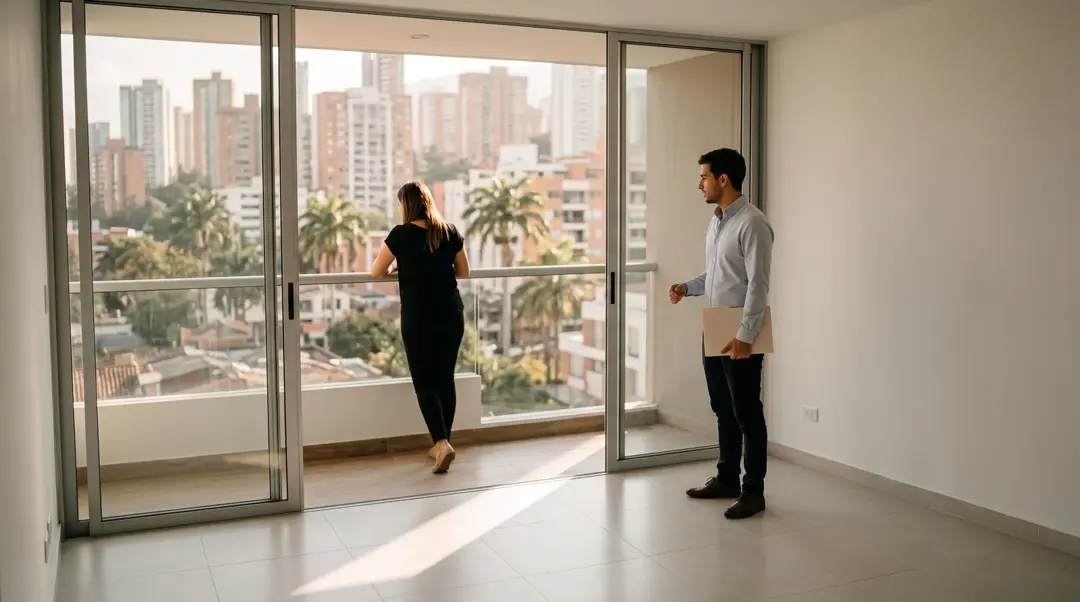
For most people the forty days are undramatic. A house or an apartment with a balcony, walks postponed, a vet lined up locally. What it does change is the order of your move: the address on that form has to be a real one, and it has to be yours for the six weeks that follow. Our moving guide covers the rest of what you physically bring.
What one dog costs
Decreto Ejecutivo 4 de 5 de febrero de 2026 set a full tariff for the Dirección Nacional de Control de Alimentos y Vigilancia Veterinaria, the MINSA directorate created by Ley 430 de 25 de abril de 2024. Six of its line items can attach to a pet.
- Stay at a quarantine station, per day$3
- Export certificate approval, per pet leaving$10
- Service-animal permit, renewal$10
- Entry and veterinary inspection, per animal$40
- Service-animal permit, first time$40
- Home quarantine and inspections, per animal$90
Decreto Ejecutivo 4 de 5 de febrero de 2026, art. 1, items 52–57 · Gaceta Oficial 30459-C · checked August 2026
The line you pay in the ordinary case is entry and veterinary inspection, B/.40 per animal. Add MIDA's B/.10 licence and B/.15 inspection and you land at B/.65. Where strict home quarantine is required, the airport sheet prints B/.130 for cuarentena domiciliaria estricta, which is the decree's B/.40 entry plus its B/.90 home quarantine and inspections. That composition is our arithmetic reconciling the two documents rather than a rule MINSA spells out, and neither document says who receives strict quarantine, so budget the higher figure and be pleased when you pay the lower one.
Two details that cost real money. The current documents charge per animal, so two dogs under strict quarantine is B/.260 rather than one shared fee. And the B/.3 per day line prices a stay at a physical quarantine station, which is the fallback if paperwork is short.
The decree is reviewed every two years under its own Article 2, so the next reset is due in 2028.
The certificate, and the thirty-day window
Panama wants an official Certificado Zoosanitario de Exportación from the sanitary authority of the country you are leaving, apostilled by that country's foreign ministry or consularised at a Panamanian diplomatic office, with a maximum of thirty days since issue. The thirty days runs from issue, which means the legalisation step has to fit inside the window. Book the vet appointment and the apostille as one errand, not two.
Three windows circulate in pet-travel guidance, and this is the one Panama applies.
| Figure you may see | Where it comes from | Panama's own sheet |
|---|---|---|
| 10 days | Air-cargo practice, for pets flying under an air waybill | 30 days maximum since issue |
| 14 days | US-side guidance, in connection with parasite treatment | Parasite treatments must be recorded, with no separate window given |
| 30 days | Panama's requirement | un máximo de treinta (30) días de emisión |
The vaccinations, from the same sheet:
- Dogs: rabies, distemper, hepatitis, leptospirosis, parvovirus
- Cats: rabies, feline viral rhinotracheitis, feline calicivirus, feline panleukopenia
- Ferrets: rabies
Rabies must have been given from three months of age and at least thirty days before travel, which puts the practical floor for a puppy or kitten at around four months. In adult animals the vaccines simply have to be in date. The vaccination card must show dates, brand, lot number and expiry, plus the endo- and ectoparasite treatments given before shipping, and the animal must have no fresh or healing wounds. Legal basis is Decreto Ejecutivo 305 de 3 de octubre de 2001.
If the paperwork is incomplete the sheet is blunt about the consequence. The animal is retained, or returned to its country of origin on the airline that brought it. Ley 23 de 1997 article 39, and Decreto 1132 de 1970 article 16. This is the one part of the process worth being fussy about.
Do you need help relocating to Panama?
If you're weighing up the move, a licensed broker who lives here can tell you what the areas are really like to live in, and what your money does in each of them.
Email or phone, whichever you’d rather. We pass your details to one licensed broker and no one else, and there’s no newsletter.
Know your budget and timeline already? Send those instead and get a shortlist →
Filing before you fly
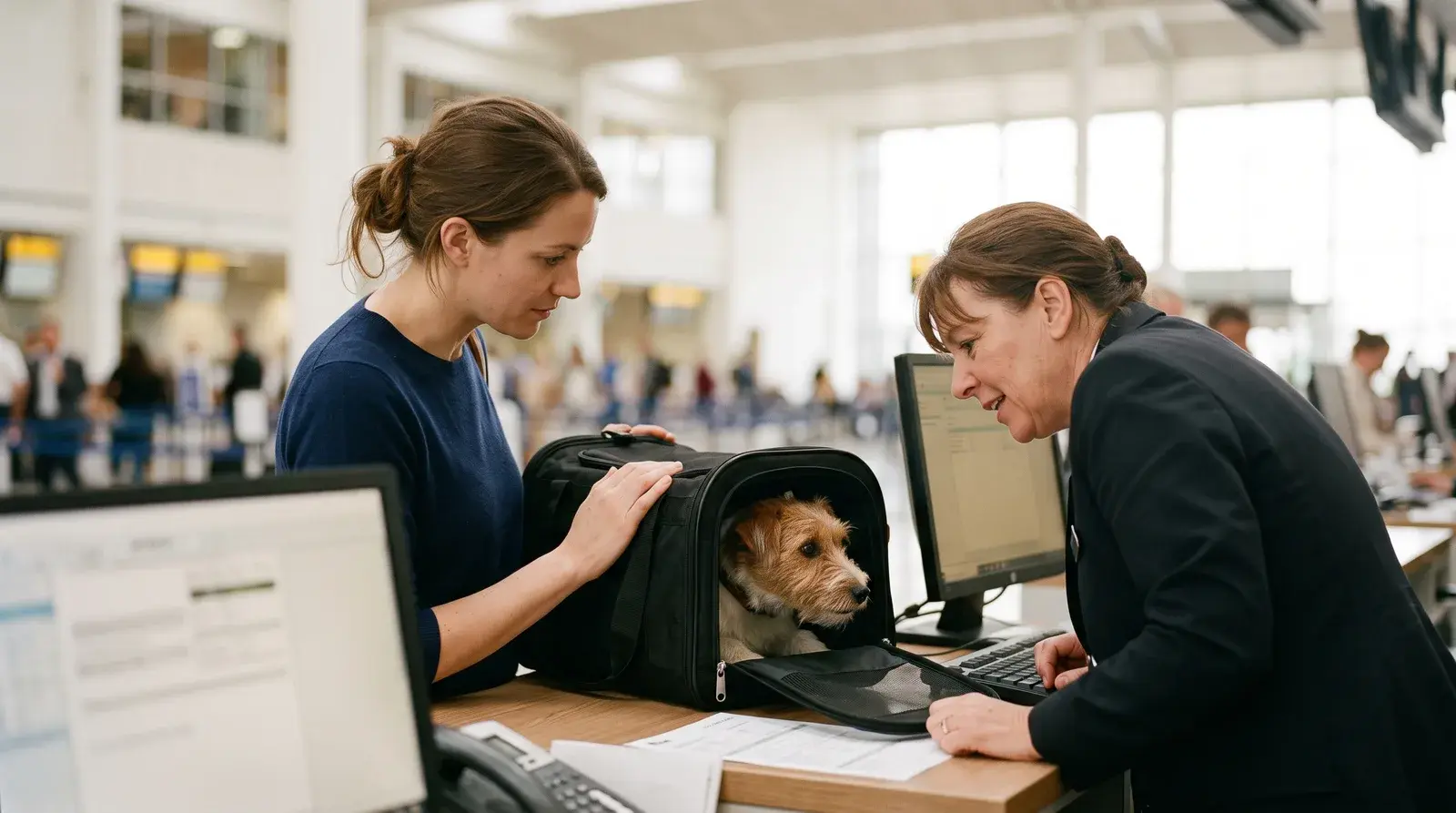
Notify MINSA three to five working days ahead. Email the Solicitud de Ingreso de Perros, Gatos y Hurones, the export certificate and the vaccination card to cam@minsa.gob.pa. On arrival you present at two offices inside Tocumen: MIDA's Dirección Ejecutiva de Cuarentena Agropecuaria and MINSA's Departamento de Control de Zoonosis.
That is the whole filing. There is no separate import permit and no queue to jump, so nobody needs paying to expedite one.
Two things to get right about the agencies. AUPSA no longer exists. Ley 206 de 2021 wound it up and created the Agencia Panameña de Alimentos, with zoosanitary competence sitting at MIDA and food-safety competence at MINSA. And MIDA is not the ministry that decides about your dog. MIDA runs agricultural quarantine and charges the licence and the inspection. The zoonosis decision, the quarantine and the B/.40 or B/.130 are MINSA's.
Opening hours are the one point where MINSA's documents disagree with each other. The March 2026 sheet gives the zoonosis section as Monday to Sunday, 7:00am to 10:00pm, and the previous airport sheet also gave seven days. A 2013 zoonosis information sheet, still published, says Monday to Friday and that pets arriving at weekends or on public holidays stay in the airport kennels until the next working day. The newer documents should govern. Booking a weekday arrival removes the question at no cost.
Arrival day at Tocumen
A published first-hand account of landing with a dog records paying $25 for inspection and importation and $130 for home quarantine, in cash, to a veterinarian at the airport. Her $25 to MIDA is exactly the current B/.10 licence plus B/.15 inspection, a useful cross-check on the March 2026 sheet from someone who paid it. Two practical details from that account are worth carrying with you.
The veterinarian was at Terminal 2, not Terminal 1. Knowing which building you are walking to saves time you would otherwise spend with an animal in a crate.
The cash machine is before immigration. Every fee here is cash, both ministries say so in writing, and drawing money after clearing immigration meant being escorted back out of the terminal. Arrive with small bills and you skip the whole detour.
Practical planning, in order
- Sort the address before the flight. The undertaking names where the animal will live for forty days, so a hotel or a short-term rental you plan to leave in a fortnight is the one arrangement that does not fit. Housing first, then the animal.
- Time the certificate to the thirty days. Issue, apostille or consularise, fly. All three inside the window.
- Check the age arithmetic for a young animal. Rabies from three months, plus thirty days before the flight, means roughly four months minimum, with no discretion in it.
- Budget cash, in small bills, before immigration. B/.65 for one dog in the ordinary case, B/.155 if strict quarantine is applied.
- Send the email three to five working days out, and keep the reply.
- Ask your airline in writing about crate dimensions, cabin weight limits and breed restrictions. Those are the carrier's rules, not Panama's, and they change without notice.
- Check the US-side steps with APHIS directly if you are flying from the United States, since Panama's sheet only tells you what Panama needs.
Leaving Panama with your pet
The exit has a published price. Decreto Ejecutivo 4 de 2026 item 57 sets aprobación de certificados de exportación de perros, gatos y hurones at B/.10.00. The same first-hand account records paying $130 for an export certificate a week after arriving, which may predate the February 2026 tariff or may have covered a private veterinarian's certificate rather than MINSA's approval of it. Know the published figure, and ask what any payment is for.
One line in that decree goes unmentioned almost everywhere: a service or assistance animal needs its own MINSA permit, B/.40 the first time and B/.10 to renew. If you travel with one, that is a separate filing from the entry inspection.
Your next step
Pets land at Tocumen every week of the year, and the sequence is well worn: email MINSA, land, pay cash at two counters, drive home, count forty days. Do the paperwork in order and it is an ordinary travel day with an anxious passenger.
The piece that trips people up is not the ministry. It is finding somewhere to live that will actually take a large dog or two cats, in the neighbourhood you want, ready on the day you land. That is exactly the legwork we do. Tell us your arrival month, your budget, your area, and what you are bringing, and we will come back with pet-friendly rentals that fit. The form below is the place to start.
Frequently asked questions
Does Panama quarantine pets?
Yes, and you serve it at home. Panama's national quarantine of small animals was established by Decreto 1132 de 20 de agosto de 1970 and has never been repealed, and Resolución Ministerial 183 de 20 de agosto de 2001 authorised owners to serve it at their own address rather than in a kennel. MINSA's Compromiso de Cuarentena Domiciliaria, form CAM Formato Nº3, commits the owner to keeping the animal within the grounds of their home for forty days with no contact with domestic or wild species, with a MINSA veterinarian monitoring according to epidemiological risk. Decreto Ejecutivo 4 de 2026 also prices a stay at a physical quarantine station at B/.3 per day, so the facility exists as a fallback.
How much does it cost to bring a dog into Panama?
B/.65 per dog in government fees in the ordinary case, all payable in cash at Tocumen. MIDA charges B/.10 for the Licencia Fito-zoosanitaria de Importación, which is one per species rather than per animal, plus B/.15 per animal for veterinary inspection. MINSA charges B/.40 per animal for entry and inspection, or B/.130 per animal where strict home quarantine is required, making the worst case B/.155. Figures from the joint MIDA/MINSA requirements sheet for Tocumen, updated March 2026. This excludes the airline, the crate, your own vet and the apostille.
Is the MINSA fee B/.40 or B/.130?
B/.40 per animal for entry and veterinary inspection in the ordinary case, and B/.130 per animal where strict home quarantine is applied. The B/.130 figure was the single MINSA charge under the older Tocumen schedule until February 2026. Decreto Ejecutivo 4 de 5 de febrero de 2026, published in Gaceta Oficial 30459-C, reset the tariff: entry and veterinary inspection is B/.40 and home quarantine with inspections is B/.90, and those two add to the B/.130 the current airport sheet prints for strict home quarantine. The current documents charge per animal rather than per species, so a two-dog household under strict quarantine pays twice.
How many days before travel does the health certificate have to be signed?
Panama's rule is a maximum of thirty days since issue, for an official Certificado Zoosanitario de Exportación that has been apostilled by your foreign ministry or consularised at a Panamanian diplomatic office. The thirty days runs from issue, not from the date the document comes back legalised, so plan the legalisation to fit inside the window. Shorter windows of 10 or 14 days circulate in pet-travel guidance, but they come from air-cargo practice and US-side parasite-treatment guidance rather than from Panama's requirements sheet.
Do I need a MINSA import permit, and how long does it take?
There is no import permit to queue for. The procedure published by both ministries is to notify MINSA three to five working days before arrival, emailing the Solicitud de Ingreso de Perros, Gatos y Hurones together with the export certificate and the vaccination card to cam@minsa.gob.pa, then present at MIDA's agricultural quarantine office and MINSA's zoonosis office inside Tocumen. Since no permit exists in either ministry's published procedure, there is nothing to pay anyone to expedite.
Which animals can I bring, and how young can they be?
The Tocumen procedure covers dogs, cats and ferrets. Dogs need rabies, distemper, hepatitis, leptospirosis and parvovirus; cats need rabies, feline viral rhinotracheitis, feline calicivirus and feline panleukopenia; ferrets need rabies. The rabies vaccine must have been given from three months of age and at least thirty days before the flight, which in practice puts the minimum age at around four months. Animals with fresh or healing wounds are refused. Other species are handled by MIDA's animal health directorate rather than this procedure.
What does it cost to take a pet out of Panama?
Decreto Ejecutivo 4 de 2026 sets approval of export certificates for dogs, cats and ferrets at B/.10.00. One published first-hand account records being charged $130 for an export certificate, which may predate the February 2026 tariff or may have covered a private veterinarian's certificate rather than MINSA's approval of it. Ask what any payment is for and check it against the published figure.
Is it safe to arrive with a pet at the weekend?
MINSA's own documents disagree, so a weekday arrival is the easy call. The March 2026 airport sheet gives the zoonosis section as Monday to Sunday, 7:00am to 10:00pm, and the previous airport sheet also gave seven days. A 2013 zoonosis information sheet, which MINSA still publishes, says Monday to Friday and that pets arriving at weekends or on public holidays remain in the airport kennels until the next working day. The newer documents should govern, but the older one has not been withdrawn.
Where will I live during the forty days?
At the address you write on CAM Formato Nº2, which asks for your provincia, distrito and corregimiento, and which the quarantine undertaking then ties the animal to for forty days. That makes housing the first decision rather than the last one: a hotel or a short-term rental you intend to leave within a few weeks does not fit the undertaking. Line up a pet-friendly rental before you fly and the rest of the process is paperwork.
Sources
- MIDA / MINSA — Requisitos para la introducción de animales menores al país, Aeropuerto Internacional de Tocumen (updated March 2026) — checked 2026-08-02
- MINSA, Departamento de Control de Zoonosis — Información para introducir animales menores al país, with the Solicitud (CAM Formato Nº2) and Compromiso de Cuarentena Domiciliaria (CAM Formato Nº3) — checked 2026-08-02
- Decreto Ejecutivo 4 de 5 de febrero de 2026, tasas de la Dirección Nacional de Control de Alimentos y Vigilancia Veterinaria (zoonosis items 52–57) — Gaceta Oficial 30459-C — checked 2026-08-02
- MIDA, Dirección Ejecutiva de Cuarentena Agropecuaria — Introducción de animales menores a la República de Panamá — checked 2026-08-02
- MINSA / MIDA — earlier Tocumen requirements sheet, still published, showing the superseded B/.6, B/.10 and B/.130 fees — checked 2026-08-02
- Decreto Ejecutivo 8 de 26 de febrero de 2026, reglamenta la Ley 430 de 25 de abril de 2024 que crea la Dirección Nacional de Control de Alimentos y Vigilancia Veterinaria — checked 2026-08-02
- USDA APHIS — Pet travel from the United States to Panama (US-side procedure; page did not load from our authoring environment on the check date) — checked 2026-08-02
Do you need help relocating to Panama?
If you're weighing up the move, a licensed broker who lives here can tell you what the areas are really like to live in, and what your money does in each of them.
Email or phone, whichever you’d rather. We pass your details to one licensed broker and no one else, and there’s no newsletter.
Know your budget and timeline already? Send those instead and get a shortlist →