A visitor to Panama may drive on a valid licence from their home country for 90 days, and may not obtain a Panamanian licence at all while holding tourist status. That is article 110 of the Reglamento de Tránsito Vehicular, Decreto Ejecutivo 640 de 27 de diciembre de 2006, published in its current consolidated form by the Autoridad del Tránsito y Transporte Terrestre:
"Los extranjeros que ingresen a la República de Panamá en calidad de turistas no podrán obtener licencia ni permiso de conducir y solamente podrán conducir vehículos con licencia vigente de su país de origen por un periodo de noventa (90) días. Los mismos tampoco podrán obtener licencia ni permiso para conducir en virtud de prórroga."
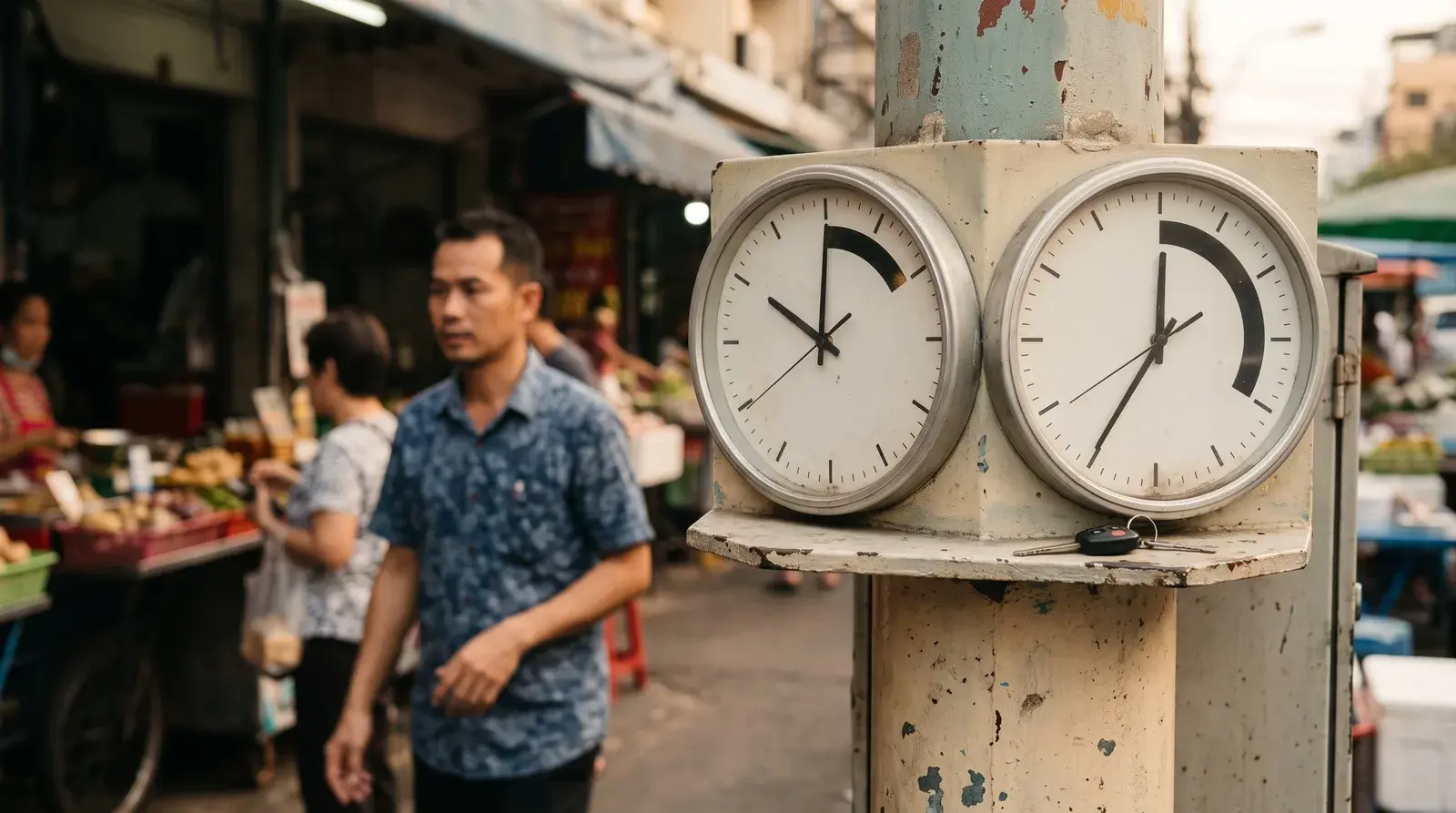
A United States or Canadian passport, meanwhile, is stamped for 180 days as a tourist. The article does not say what the ninety days runs from; read against its own opening words, los extranjeros que ingresen, entry is the natural reading. On that reading the two clocks start together and run out three months apart.
That is the single most useful thing on this page. From day 91 to day 180, an American or Canadian visitor is lawfully present in Panama and no longer lawfully driving in it. Nothing about your entry stamp tells you this, because the stamp is issued by immigration and the driving limit comes from the transit authority.
Key Takeaways
- Tourists may drive on a home-country licence for 90 days, and cannot obtain a Panamanian licence while on tourist status. Article 110, Reglamento de Tránsito Vehicular, Decreto Ejecutivo 640 de 2006 (ATTT, checked August 2026).
- The general tourist stay is 3 months under Resolución 22068 of 1 September 2021, effective 1 October 2021 (Servicio Nacional de Migración, checked August 2026).
- US and Canadian citizens are exempted from that resolution and admitted for 180 days, under Resolución 22706 of 10 September 2021, on reciprocity grounds. This is the exemption that opens the gap (Servicio Nacional de Migración, checked August 2026).
- Getting a Panamanian licence requires residency first. Once you hold a migration card, the exchange runs through the ATTT and costs B/.40.00 in cash, which includes the vision and hearing check (Panamá Digital, checked August 2026).
- The hard part is not the ATTT, it is the paperwork you must generate abroad. Your foreign licence has to be certified by your country's embassy in Panama, apostilled in the issuing country, or authenticated consularly. That step happens outside Panama and sets your real timeline.
The 90-day driving limit, and who it catches
Article 110 is short and it does two things. It bars tourists from obtaining a Panamanian licence or driving permit, and it allows them to drive on a valid licence from their country of origin for ninety days. It then closes the obvious workaround in its final sentence: nor may they obtain one en virtud de prórroga, by way of an extension.
Both halves matter. The first means there is no tourist workaround: you cannot simply go to the ATTT and buy a temporary permit because you plan to stay a while. The second sets a hard limit that most visitors never hear about.
For most nationalities this is close to invisible, because the general tourist stay under Resolución 22068 is three months. Three calendar months is 89 to 92 days depending on the date you land, so the two clocks expire within a day or two of each other and you leave the country before the driving limit can bite.
For Americans and Canadians it is a real exposure. Resolución 22706 exempted both nationalities from 22068 and set their admission at 180 days, for reciprocity. Nothing in that resolution touches the transit regulation, so the driving limit stayed at 90.
Warning. The most common version of this is the snowbird who arrives in November, is stamped for 180 days, buys or borrows a car, and drives through until April. From February onward they are driving without a valid basis. Immigration status and driving status are separate questions in Panama and are administered by separate authorities.
An international driving permit does not solve this. Under the road-traffic conventions an IDP is a translation of the licence you already hold rather than a licence in its own right, so if the underlying entitlement has lapsed, translating it changes nothing.
What to do if you are staying past 90 days
There are two honest answers, and which applies depends on whether you are getting residency.
If you are pursuing residency, the licence follows it. You cannot start the licence process until you hold a migration card, so the sequence is residency first, licence second. Plan for a period in between where you should not be driving.
If you are not pursuing residency, article 110 leaves nothing that extends the entitlement, and expressly rules out an extension. So the options are to stop driving, or to leave and re-enter, which on the entry-date reading restarts the ninety days. Treat the second one with care: repeated border runs to reset a clock attract attention from immigration, and the entitlement to re-enter is not something you control.
So the choice is the one those two paragraphs describe: take residency and exchange the licence, park the car at day 90, or reset the clock with an exit and a fresh entry. The reason so few visitors have heard of the rule is most likely that nothing communicates it at entry, as the section above sets out. It applies either way.
Do you need help relocating to Panama?
If you're weighing up the move, a licensed broker who lives here can tell you what the areas are really like to live in, and what your money does in each of them.
Email or phone, whichever you’d rather. We pass your details to one licensed broker and no one else, and there’s no newsletter.
Know your budget and timeline already? Send those instead and get a shortlist →
Getting the licence once you are a resident
The requirements below are the ATTT's own, as published on Panamá Digital. The process is genuinely straightforward. The certification of your foreign licence is not, and it is the step that determines how long this takes.
| Requirement | Detail |
|---|---|
| Standing with the ATTT | Must be paz y salvo, meaning clear of outstanding fines |
| Foreign licence | Original and copy, valid |
| Certification of that licence | One of three routes, see below |
| Migration card | Original and copy, valid |
| Passport or ID | Copy, valid |
| Blood type | Laboratory report from an authorised laboratory, with full name, passport number, physician's signature and stamp. Waived if your licence already shows blood type |
| Vision and hearing | Checked at the branch when you apply |
| Categories | A, B, C and D |
| Cost | B/.40.00 in cash, including the vision and hearing check |
The certification of your foreign licence can be done three ways: through your country's diplomatic representation in Panama, by apostille if the issuing country is a party to the Hague Convention, or by consular authentication if it is not.
One gap worth knowing about: the ATTT's published requirements do not state how recent the blood-type report has to be. You will see a six-month figure quoted around, but it is not on the ATTT's own page, so ask your branch rather than assuming an older report will pass.
Legal. Paz y salvo means clear of debt or outstanding obligation to an authority. It appears throughout Panamanian administrative procedure, not just at the ATTT, and an unpaid traffic fine you have forgotten about will stop the application.
Note what is not on that list. There is no written examination and no practical driving test for someone exchanging a valid foreign licence. Guides that describe a Spanish-language theory exam and a road test are describing the process for a first-time driver with no licence to exchange, which is a different procedure.
Before you drive
Three practical points worth settling before you get behind the wheel here.
Treat the 90-day limit as an insurance question rather than a policing one. The exposure sits with your insurer, because a motor policy is written around a driver who is entitled to be driving, and entitlement is the kind of thing that gets examined when a claim is large. We have not been able to read a Panamanian policy wording that addresses this in terms, so put the question to your own insurer rather than treating the outcome as settled. If you are a resident who has simply not got round to the exchange, carrying at-fault liability in a serious accident in order to postpone a B/.40 errand is a poor trade. If you are a tourist, the errand is not available to you at all, and your options are the three set out above.
Wait for your migration card before you start the licence process. The card is a published requirement, so attempting the application earlier produces a wasted trip, and if your certification expires in the meantime, wasted money as well.
Work out which certification route applies to you before you begin it abroad. Embassy certification, apostille and consular authentication are three different processes with different offices and different timelines, and doing the wrong one means starting again from the beginning.
Your next step
Whether you can exchange your licence at all comes down to your residency, so that is usually the first thing to settle. Our residency guide sets out the three routes and the threshold each one asks for, which is the piece that decides your timeline here. And if you are still working out where in Panama you would actually live, and whether to rent or buy when you arrive, tell us your timeline and what a good week looks like for you. We will come back with the towns and the properties that fit it, and it costs nothing to ask.
Frequently asked questions
How long can I drive in Panama on my home country licence?
Ninety days. Article 110 of the Reglamento de Tránsito Vehicular, Decreto Ejecutivo 640 de 2006, allows a tourist to drive on a valid licence from their country of origin for that period, separately bars tourists from obtaining a Panamanian licence at all, and rules out getting one by way of an extension. The article does not state what the ninety days is counted from; entry is the natural reading of its own wording, los extranjeros que ingresen.
My passport was stamped for 180 days. Can I drive for 180 days?
No, and this is the trap. If you are a US or Canadian citizen you are admitted for 180 days under Resolución 22706, which exempted both nationalities from the general three-month rule in Resolución 22068. That resolution is an immigration measure and does not touch the transit regulation, so your driving entitlement still expires at 90 days. Between day 91 and day 180 you are lawfully in Panama and not lawfully driving.
Can I get a Panamanian licence as a tourist?
No. Article 110 expressly bars foreigners who enter as tourists from obtaining a licence or a driving permit, and rules out obtaining one by extension. The licence process requires a valid migration card, which means residency has to come first. There is no tourist-tier temporary permit that gets around this.
Does an international driving permit extend the 90 days?
No. Under the road-traffic conventions an IDP is a standardised translation of the licence you already hold rather than a separate entitlement. If your underlying permission to drive here has lapsed at 90 days, an IDP does not revive it.
What does the licence actually cost?
B/.40.00 in cash at the ATTT, which includes the vision and hearing validation done at the branch. Costs beyond that come from certifying your foreign licence abroad and from the blood-type laboratory report, not from the ATTT itself.
Do I have to take a driving test or a written exam in Spanish?
Not if you are exchanging a valid foreign licence. The published requirements for that procedure list document certification, a blood-type report, and a vision and hearing check, with no theory or road test, for categories A, B, C and D. Guides describing a Spanish-language written exam and a practical test are describing the first-time procedure for someone with no existing licence to exchange.
What is the hardest part of the process?
Certifying your foreign licence, because that step happens outside Panama. You need either certification through your country's embassy in Panama, an apostille from the issuing country if it is a Hague Convention party, or consular authentication if it is not. Which route applies depends on where your licence was issued, and doing the wrong one means starting over.
What happens if I have an unpaid traffic fine?
The application stops. You must be paz y salvo with the ATTT, meaning clear of outstanding obligations to it, before a licence will be issued. Check this before you assemble the rest of the paperwork, since your certification documents have limited validity and can expire while you sort out a fine.
How recent does the blood-type report have to be?
The ATTT does not publish a validity period for it, and a six-month figure circulates that does not appear on the authority's own requirements page. Ask your branch before you pay for the test, and if your existing licence already shows your blood type the report is waived altogether.
Sources
- ATTT — Reglamento de Tránsito Vehicular, Decreto Ejecutivo 640 de 27 de diciembre de 2006 (texto vigente con modificaciones), art. 110 — checked 2026-08-21
- Panamá Digital (ATTT) — Requisitos extranjeros — checked 2026-08-04
- Panamá Digital (ATTT) — Primera vez, extranjeros con licencia extranjera (paz y salvo, certificación, carné de migración, informe de tipo de sangre, B/.40.00, categorías A–D; no publica período de validez del informe de sangre) — checked 2026-08-21
- Servicio Nacional de Migración — Resolución 22068 de 1 de septiembre de 2021 (estadía general, tres meses) y Resolución 22706 de 10 de septiembre de 2021 (EE.UU. y Canadá, 180 días) — checked 2026-08-21
Do you need help relocating to Panama?
If you're weighing up the move, a licensed broker who lives here can tell you what the areas are really like to live in, and what your money does in each of them.
Email or phone, whichever you’d rather. We pass your details to one licensed broker and no one else, and there’s no newsletter.
Know your budget and timeline already? Send those instead and get a shortlist →