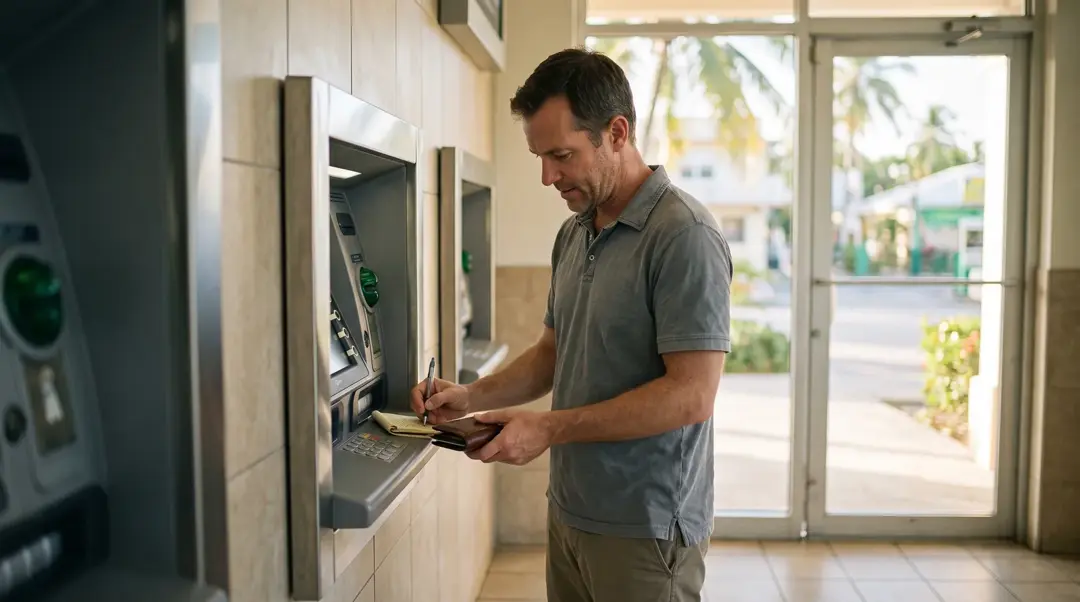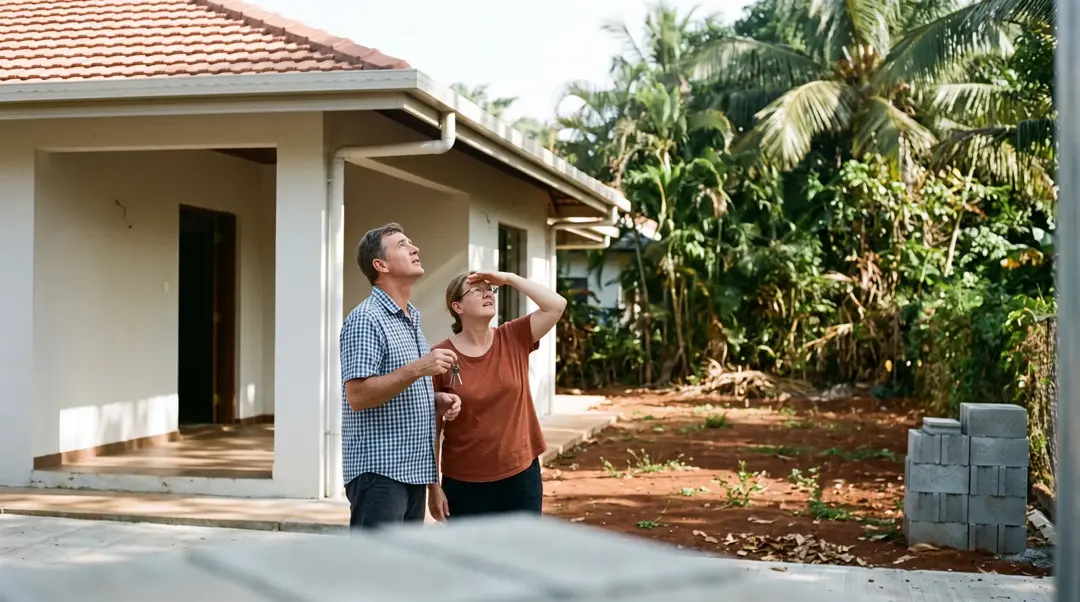
Banco General publishes what a foreign, first-time customer needs to open a current account: a passport or permanent residency card, a document evidencing income, and something the bank calls a vínculo con Panamá, a link to Panama. The minimum deposit is $50 or $300 depending on the tier you pick. Most people arrive at this question worried about the money and find that the money is the straightforward part. The documents are where the work is, and they are all things you can assemble before you fly.
Key takeaways
- Banco General publishes two current-account tiers: Cuenta Corriente Esencial, with a $50 minimum opening deposit and monthly balance, and Regular, at $300. Both list separate, additional requirements for foreign applicants. Bgeneral.com, checked August 2026.
- What a new foreign customer produces is documentary: a passport or permanent residency card, a document evidencing income, and a "vínculo con Panamá." Bgeneral.com, checked August 2026.
- Owning property in Panama is the kind of tie the requirement appears to be built around, though no bank publishes a list of what qualifies, so confirm it with your own relationship officer before you rely on it.
- The paperwork traces to Ley 23 de 27 de abril de 2015, which puts anti-money-laundering supervision of banks under the Superintendencia de Bancos de Panamá (Article 22) and requires documented due diligence on a client's profile and the origin of their funds.
- Panama was on the FATF grey list from June 2019 to 27 October 2023. Banks tightened foreign-applicant review across those years, and the delisting has not loosened the document list.
- Banistmo's fully digital account is for Panamanian citizens holding a cédula from the Tribunal Electoral, so plan on a branch visit somewhere.
- Banistmo changed owners on 1 July 2026. Banco La Hipotecaria, part of Inversiones Cuscatlán, completed the acquisition; Banistmo had been Bancolombia-owned since 2013 and HSBC-owned before that. Confirm current policy with the bank rather than an older description of it.
The short answer: Banco General, two tiers
Banco General is the bank most foreigners are pointed toward, and it is the one whose account requirements you can read for yourself on its own site before you commit to anything.
| Account | Minimum opening deposit and balance | What you get |
|---|---|---|
| Cuenta Corriente Esencial | $50 | Up to 5 paid checks a month free |
| Cuenta Corriente Regular | $300 | Up to 25 paid checks a month free |
Documentation depends on whether the bank already knows you.
- Foreign nationals who are already Banco General customers: a valid passport is the only document listed.
- New foreign customers: a valid passport or a permanent residency card issued by the Tribunal Electoral, a document evidencing your income, and a vínculo con Panamá.
How to prepare your documentation
Work through this before you book the appointment and the branch visit becomes a formality.
Bring the identity document the bank names, not a substitute. A valid passport, or a permanent residency card issued by the Tribunal Electoral if your residency has landed. Check the expiry date against your travel dates.
Assemble proof of income in a form a compliance officer can read. Banco General asks for a document evidencing income, and Ley 23 asks the bank to understand your financial profile and where your funds come from. Pension award letters, recent tax returns, employment letters and brokerage statements all speak that language. Bring more than you think you need.
Decide in advance which link to Panama you are presenting. The kinds of ties that satisfy institutional requirements in Panama include owning property here, a pending or approved residency application, local employment or a registered business, and a Panamanian spouse. Banco General names the requirement on its public page without publishing a checklist of what qualifies, so ask your relationship officer which of your documents they will accept, and get the answer in writing before you travel.
Pick your tier and fund it. $50 for Esencial, $300 for Regular, and choose based on how many checks a month you expect to write rather than on which number looks more impressive.
Ask for the current tarifario for your specific tier. Monthly maintenance charges, minimum-balance penalties and inactivity fees live in each bank's own fee schedule, the same category of document our ATM and cash guide reads for withdrawal charges. Banco General publishes two current-account tiers with different terms and other banks structure theirs differently again, so read the one attached to the account you are actually opening.
Plan on being there in person. Banistmo markets Cuenta Express as a fully digital account opened with a phone and a selfie, and its own eligibility page limits it to Panamanian citizens holding a cédula from the Tribunal Electoral. If a product promises a foreign non-resident an entirely online account, ask which specific product it is before you count on it.
Do you need help finding a property in your budget?
Tell us roughly what you're working with and a licensed broker will come back with what it buys, where. No obligation, and nobody quotes you a price before you know the title status.
Email or phone, whichever you’d rather. We pass your details to one licensed broker and no one else, and there’s no newsletter.
Know your budget and timeline already? Send those instead and get a shortlist →
Why buying property makes the account easier
This is the part the banking guides tend to miss. A property purchase is a documented, verifiable connection of the kind a vínculo con Panamá appears to mean. Buy an apartment in Panama City or a lot in Boquete and you hold a registered finca, a titled property with its own number at the Registro Público, in your name in this country. That is a documented, verifiable connection of the kind the requirement is built around.
The relationship runs both ways. An account here makes owning property considerably more comfortable: paying your impuesto de inmueble, the annual property tax, utilities, building fees and a property manager all get simpler when the money is already in a Panamanian bank. Buyers who are planning a purchase anyway often find the sequencing works in their favour, with the purchase and the account each strengthening the other. Confirm with your relationship officer which stage of a purchase they want to see documented, since a signed promise-to-buy and a registered title are different pieces of paper.
Why the paperwork exists, and since when
Two dates explain the current document list.
Ley 23 de 27 de abril de 2015 is Panama's core anti-money-laundering and counter-terrorist-financing statute. Article 22 assigns supervision of banks, trust companies, finance companies and other regulated entities to the Superintendencia de Bancos de Panamá, and requires debida diligencia, documented knowledge of a client's financial profile, the origin of their funds, and ongoing monitoring. That law, rather than any single bank's internal preference, is why a foreign applicant produces an income document and a demonstrable connection to the country alongside a passport.
Panama sat on the Financial Action Task Force's grey list from June 2019 to 27 October 2023. Grey-listing does not itself dictate a bank's account-opening checklist, but it is the backdrop against which Panamanian banks tightened compliance review, and it covers most of the years in which relocation content about Panamanian banking was written. Panama has been off that list since October 2023.
Which banks you can actually approach
The SBP maintains the public register of licensed banks and splits it in a way that matters to you. Licencia General banks can serve both local and international clients, and those are the ones this guide is about. Licencia International banks cannot take deposits from within Panama at all, so a licence check saves a wasted appointment. The regulator's open-data listing on datosabiertos.gob.pa names the general-licence banks currently operating, among them Banco General, Banistmo, Banesco, BAC International Bank and Multibank.
The register stops at licences. It does not publish account minimums, approval timelines or approval rates by bank, and most banks do not either. Banco General is the exception this guide leans on, and it publishes opening minimums but not timelines or approval rates, so treat any precise week count or approval percentage you see quoted as unsourced. Banco General is the bank whose public account pages gave us clear, current terms for foreign applicants; we have not independently confirmed non-resident requirements at the others, so ask each one directly.
Your next step
If you are opening a Panama account because you are planning to buy here, the two jobs are one job. A registered property in your name is the link to Panama that the account application asks you to demonstrate, and the account is what makes owning that property easy to run from month to month. Tell us your budget, your timeline, and which part of the country you are looking at, and we will come back with properties that fit and a sense of how the banking sits alongside them. The form below is where to start, and asking costs nothing.
Frequently asked questions
What is the minimum deposit to open a Panama bank account?
At Banco General, $50 for the Cuenta Corriente Esencial or $300 for the Regular current account, according to the bank's own published account pages. Those figures are both the minimum opening deposit and the minimum monthly balance. Other banks publish their own terms, so confirm the number with the bank you approach.
What documents do I need as a foreign non-resident?
Banco General lists three things for a new foreign customer: a valid passport or a permanent residency card issued by the Tribunal Electoral, a document evidencing your income, and a vínculo con Panamá, a link to the country. If you are already a Banco General customer, a valid passport is the only document listed.
What does "vínculo con Panamá" mean, and how do I prove it?
It is Banco General's term for a foreign applicant's demonstrable connection to Panama, required alongside a passport or residency card and income documentation. Owning property here, a pending or approved residency application, local employment or a registered business, and a Panamanian spouse are the kinds of ties that count for institutional purposes in Panama. The bank names the requirement without publishing a checklist, so ask your relationship officer which documents they accept and get the answer in writing before you travel.
Does buying property in Panama help me open a bank account?
It gives you exactly the kind of link to Panama the requirement is built around: a registered finca in your name at the Registro Público, documented and verifiable. It also works in the other direction, since paying property tax, utilities and building fees is far simpler from a local account. Ask your relationship officer which stage of a purchase they want documented, as a signed promise-to-buy and a registered title are different pieces of paper.
Can I open a Panama bank account online without visiting in person?
Plan on a branch visit. Banistmo offers a 100% digital account, Cuenta Express, and its own eligibility page restricts it to Panamanian citizens holding a cédula from the Tribunal Electoral. We could not find an equivalent digital product open to foreign non-residents at a general-licence bank.
Why does a Panama bank ask for so much documentation?
Ley 23 de 27 de abril de 2015 put anti-money-laundering supervision of banks under the Superintendencia de Bancos de Panamá and requires documented due diligence on a client's financial profile and the origin of their funds. Panama was also on the FATF grey list from June 2019 to 27 October 2023, the years in which banks visibly tightened review of foreign applicants.
Does it matter that Banistmo changed owners in 2026?
Check current requirements with the bank rather than trusting an older description of it. Banco La Hipotecaria, part of Inversiones Cuscatlán, completed its acquisition of Banistmo on 1 July 2026. Banistmo had been Bancolombia-owned since 2013 and HSBC-owned before that, and account terms can move after a change in ownership.
Which banks can serve a foreign client in Panama?
Only Licencia General banks, which can serve both local and international clients. Licencia Internacional banks cannot take deposits from within Panama at all. The Superintendencia de Bancos publishes the register, and its open-data listing names the general-licence banks operating now, including Banco General, Banistmo, Banesco, BAC International Bank and Multibank.
Sources
- Banco General — Cuenta Corriente Esencial ($50 minimum) and Regular ($300 minimum), documentation requirements for new and existing foreign customers — checked 2026-08-03
- Banistmo — Cuenta Express, 100% digital account, restricted to Panamanian citizens with a Tribunal Electoral cédula — checked 2026-08-03
- Ley 23 de 27 de abril de 2015 — medidas para prevenir el blanqueo de capitales; Artículo 22 assigns bank AML/CFT supervision to the Superintendencia de Bancos de Panamá — checked 2026-08-03
- Superintendencia de Bancos de Panamá — Licencia General, the bank category that can serve local and international clients — checked 2026-08-03
- Superintendencia de Bancos de Panamá, via Datos Abiertos — Listado de Bancos 2026 — checked 2026-08-03
- FATF grey-list history — Panama listed June 2019, delisted 27 October 2023 — checked 2026-08-03
- Banco General — Tasas, comisiones y recargos (account fee tarifario) — checked 2026-08-03
Do you need help finding a property in your budget?
Tell us roughly what you're working with and a licensed broker will come back with what it buys, where. No obligation, and nobody quotes you a price before you know the title status.
Email or phone, whichever you’d rather. We pass your details to one licensed broker and no one else, and there’s no newsletter.
Know your budget and timeline already? Send those instead and get a shortlist →